
NEWS
US official Defends CPC Designation, Citing Unpunished Blasphemy Killings

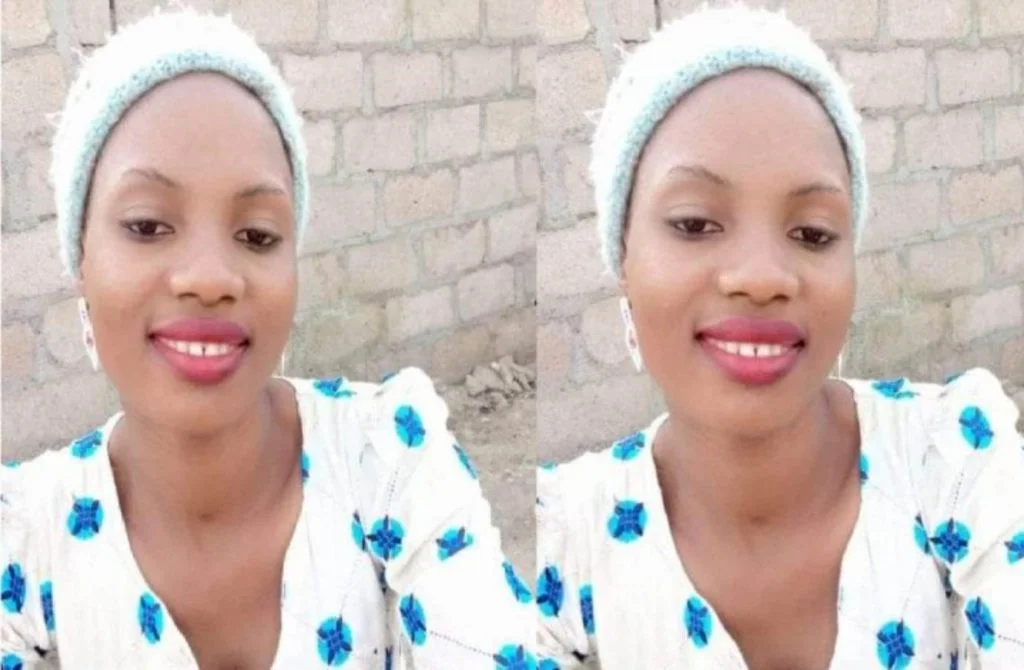
The United States government has vigorously defended the controversial designation of Nigeria as a Country of Particular Concern (CPC) for religious freedom violations, a status originally applied during the Trump administration. Jacob McGee, Deputy Assistant Secretary at the US Bureau of Democracy, Human Rights and Labour, made the defense today during a public hearing of the US Congress, pointing to systemic abuses and the high-profile case of Deborah Samuel as justification.
McGee cited the brutal 2022 killing of Deborah Samuel, a student at Shehu Shagari College of Education, Sokoto, who was lynched by a mob after being accused of blasphemy. The US official highlighted the impunity surrounding the crime, starkly stating that “Her murderers remain free.” He described this unpunished incident as part of a troubling pattern encompassing discrimination, abuse, torture, disappearances, and extrajudicial killings linked to blasphemy accusations across Nigeria.
The Deputy Assistant Secretary made it clear that the US “stands ready to champion the rights of Christians” and protect them from religious persecution, citing the annual International Religious Freedom (IRF) reports which consistently document severe violations in Nigeria. He noted that the levels of violence and atrocities committed against Christians, “particularly in the Middle Belt,” have become alarming.
McGee relayed that ample witness testimonies confirm that attackers “used religious language” during their assaults and “specifically targeted Christians for killing, abduction and rape.” He underscored the US belief that it is clear Nigerians are being attacked and killed because of their faith, and that the Nigerian government is failing to uphold its constitutional duty to protect them.
The official also accused the Nigerian government of failing to protect religious leaders who bravely speak out against the violence. He referenced Bishop Wilfred Anagbe and Father Remigius, who he said testified before US lawmakers last year, only to subsequently report that they received threats rather than protection from the Nigerian authorities. McGee asserted that the US listened to their testimonies and would continue to listen and act until the Nigerian government strengthened protections and upheld accountability.
Furthermore, McGee condemned Nigeria’s blasphemy laws, which are enforced under Sharia penal codes in 12 states. He argued that these laws fundamentally violate free speech and place Nigeria among only eight countries worldwide that allow for penalties up to execution for blasphemy, grouping it with nations like Iran and Pakistan, which have long held CPC designations. He noted that judicial processes for those accused of blasphemy often take years, leaving individuals languishing in prison, sometimes on death row, while mobs frequently take the law into their own hands with impunity.
McGee concluded with a stern warning, affirming that the United States would continue to rigorously monitor religious freedom in Nigeria and “act until the Nigerian government protects vulnerable Christians and holds perpetrators accountable.” He emphasized that the IRF Act, established nearly three decades ago, mandates the President to call out religious freedom violators as a reflection of the importance the US places on America’s first freedom.