NEWS
Uba Sani Charges ACF to Be North’s Intellectual Vanguard

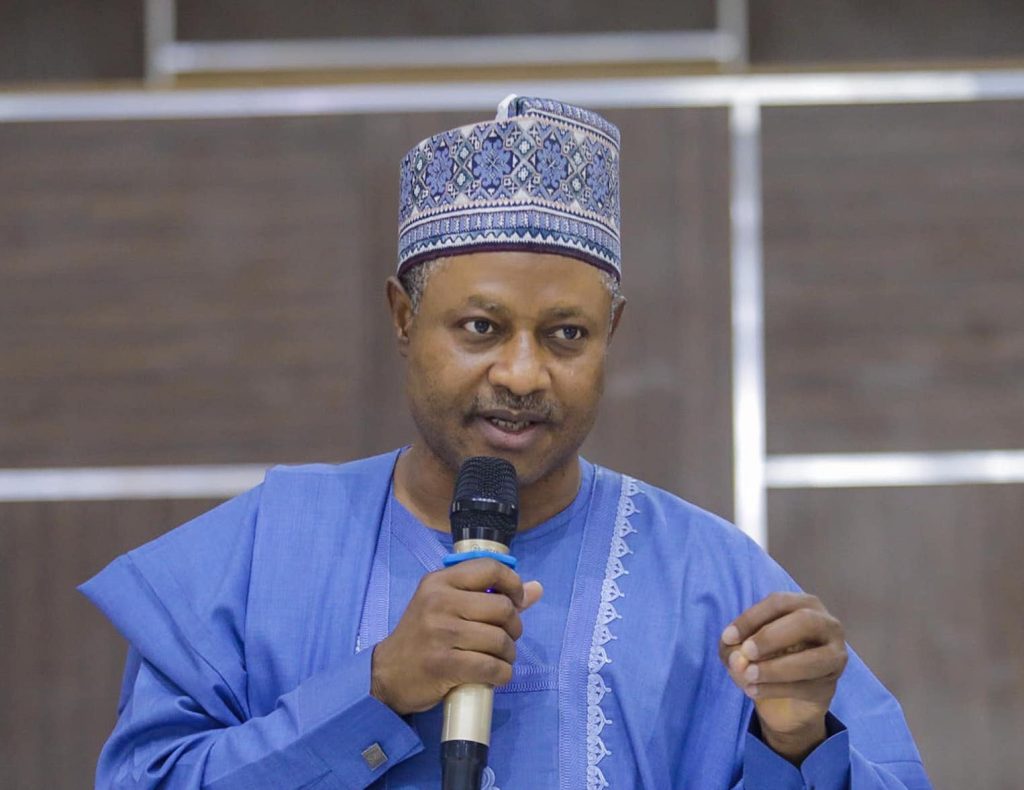
Governor Uba Sani of Kaduna State has tasked the Arewa Consultative Forum (ACF) to elevate its role, urging the influential socio-cultural organization to remain the essential “intellectual engine room of the North.” The Governor delivered this counsel during his remarks as Chief Host at the ACF’s grand 25th anniversary celebration in Kaduna, emphasizing the forum’s critical function in guiding regional governance, shaping policy, fostering necessary dialogue, and preserving the fragile unity of the Northern region.
Speaking through his Deputy, Dr. Hadiza Balarabe, Governor Sani reminded the gathering that the ACF stands as a vital platform for ensuring the stability and advancing the comprehensive development of the North. He pledged his administration’s full cooperation, promising to “work with the ACF, the Federal Government under President Bola Ahmed Tinubu, our sister states, development partners, civil society, and the private sector to build a North that is secure, inclusive, prosperous, and globally competitive.”
The Governor used the historic milestone to reflect on the courageous origins of the ACF, which was founded on March 7, 2000, in the same city. He called on all stakeholders to recommit to the Forum’s founding ideals: unity, justice, dialogue, and the relentless pursuit of collective progress. His prayer for the future was simple but profound: “May the next twenty-five years bring even greater achievements, deeper cohesion, and a stronger, more peaceful Northern Nigeria.”
Governor Sani extended his profound gratitude to President Tinubu for “leading, courageously and strategically, the drive to better secure Nigeria, promote national reforms, and ensure the economic reengineering of our nation.”
Shifting focus to Kaduna State, the Governor highlighted the core tenets of his administration. He described a leadership approach rooted in inclusion, transparency, reconciliation, and citizen participation, principles he believes are actively rebuilding trust and deepening engagements across communities that have historically been fractured.
Central to his mandate is the “Kaduna Peace Model,” which confronts the state’s pervasive security challenges through a sophisticated combination of inclusive governance, community engagement, and strategic infrastructural development. The Governor explained the philosophy behind this model: “The Kaduna Peace Model recognizes that peace is not enforced, it is engineered. It is built through the equitable distribution of projects, participatory budgeting, human capital development, and the deliberate redesign of public spaces to promote coexistence.” He asserted that the model is anchored in the belief that design, planning, and governance themselves are powerful instruments for cultivating social harmony.
On security outcomes, the Governor disclosed that calm has been significantly restored across vulnerable communities through “intelligence-driven coordination, robust support for security agencies, the empowerment of local institutions, and the integration of technology.” He cited tangible results, noting that farmers have now “returned to their farmlands with renewed hope,” supported by government programs focused on mechanization, modern inputs, extension services, and market access, thereby helping Kaduna State uphold its reputation as a crucial food basket for the region.
Governor Sani also listed key achievements across critical sectors, including a revitalized health system with upgraded secondary hospitals, revitalized primary healthcare centers, and strengthened maternal and child health programs. “Our vision is a Kaduna State where no citizen is denied healthcare because of distance or poverty,” he stated. He affirmed his unwavering commitment to education, which he called the bedrock of his long-term peace and development strategy, detailing efforts to expand enrollment, improve facilities, train teachers, and equip all tiers of institutions. Finally, he stressed that infrastructure development is being delivered equitably across all 23 Local Government Areas, maintaining a crucial rural–urban balance.