
World News
Pope Leo XIV Affirms Doctrine, Signals Cautious Papacy

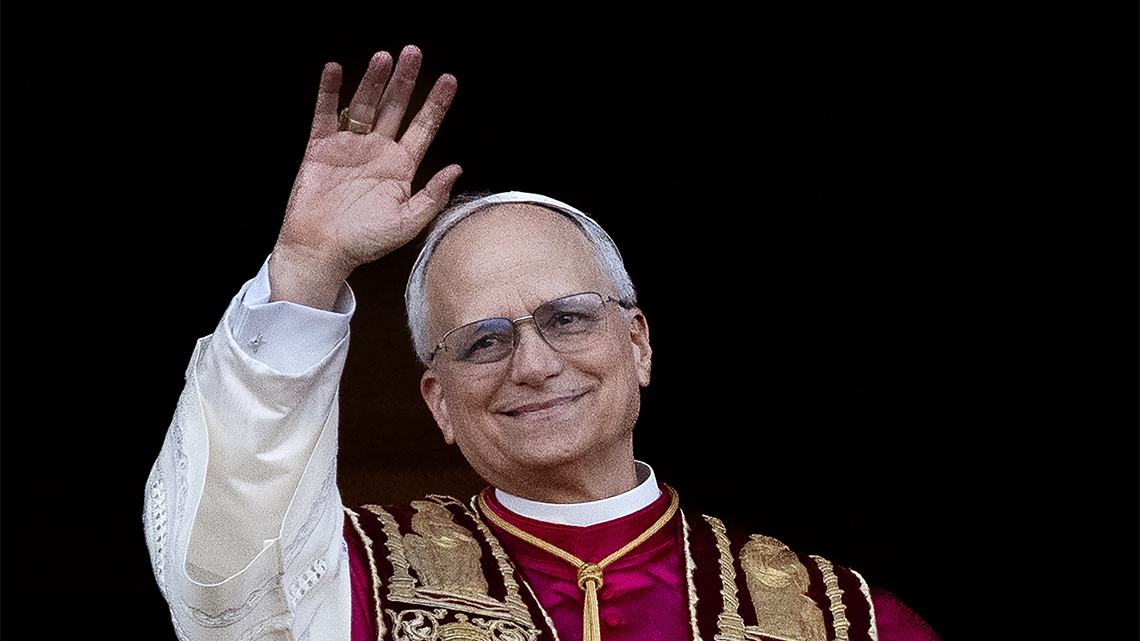
In a highly anticipated first interview since his election four months ago, Pope Leo XIV has delivered a clear message to the world, stating that he has no intention of changing the Catholic Church’s official doctrine on same-sex marriage or women deacons. The 70-year-old pontiff, a native of Chicago, emphasized that while many people expect the Church to change its positions, “attitudes must change before doctrine can even be considered.” His remarks, published in a new book, offer the first extensive glimpse into the mind of a pope who is seen as a moderate and a bridge-builder, seeking to navigate the deep divisions that have polarized the Church in recent years.
The interview is featured in the book, Pope Leo XIV: Global Citizen, Missionary of the 21st Century, which was published on Thursday in Spanish in Peru. The choice of Peru for the book’s debut is significant, as it is where Leo, born Robert Francis Prevost, served as a missionary for nearly two decades. His extensive work with the poor and marginalized in Latin America, a dual citizenship with Peru, and his background as an Augustinian friar have all shaped his vision for a papacy that is grounded in pastoral care. The first American-born pope, Leo XIV succeeded Pope Francis, whose attempts to modernize the Church often angered traditionalists. While Leo affirmed Francis’s call to welcome all people, he clarified that he does not invite individuals into the Church based on a specific identity, but rather, as a “son or daughter of God.”
On the highly sensitive question of LGBTQ inclusion, the Pope stated that it was “highly unlikely, certainly in the near future,” that the Church’s teaching on sexuality or marriage would change. He reiterated his unwavering support for “the traditional family, which is father, mother, and children,” a stance that aligns with centuries of Catholic doctrine. While Pope Francis had introduced a more pastoral and open approach, famously asking, “Who am I to judge?” and allowing for the blessing of same-sex couples through the Fiducia Supplicans document, Pope Leo’s comments signal a return to a firmer, more cautious interpretation of the Church’s teachings. He acknowledged that issues surrounding LGBTQ Catholics are “highly polarizing” and said he wants to avoid deepening the divisions within the global Church. This approach seems aimed at appeasing the conservative wing of the Church, particularly in parts of the Global South where the topic is considered less of a priority, while maintaining a pastoral welcome for all. The Pope’s recent private meeting with American priest James Martin, a prominent advocate for LGBTQ Catholics, without a public address to the 1,400 LGBTQ pilgrims who visited the Vatican, underscores this balanced and cautious strategy.
Similarly, on the issue of women deacons, Pope Leo XIV signaled no immediate move. He stated he has “no intention of changing the teaching” on the matter but is willing to continue listening to the conversation. This position aligns with the Church’s long-standing theological view, which has been informed by historical studies of the ancient ministry of “deaconesses” that concluded it was not the same as the male diaconate and thus did not set a precedent for sacramental ordination. While Pope Francis had opened up some positions to women in the Vatican, Leo’s comments suggest he will not take the step of ordaining women to the diaconate, which would be a significant doctrinal shift.
Regarding clerical sexual abuse, the Pope described the crisis as real but stressed that it would not define his papacy. His comments on this issue also revealed a nuanced approach, stating that accused priests must be treated as innocent until proven guilty and that the Church cannot focus solely on abuse cases to the detriment of its other missions. This stance, while seemingly reasonable, may face criticism from victims’ groups who have long argued that the Church’s legalistic approach has often failed to provide justice for survivors. Pope Francis had introduced reforms to address the crisis, though victims’ groups often said they fell short. Pope Leo’s papacy, therefore, begins with the challenge of navigating the fallout from this painful chapter in the Church’s history, balancing the need for justice and accountability with the desire to move forward and focus on the Church’s broader mission. His election as the first American pope, a person formed by both a deeply traditional faith and extensive work with the marginalized, places him in a unique position to be a bridge-builder, a role his papacy seems poised to embrace in the coming years.