OPINION
Policy Analyst Warns President: Fuel Tariff Risks Punishing Nigerians, Creating Monopoly

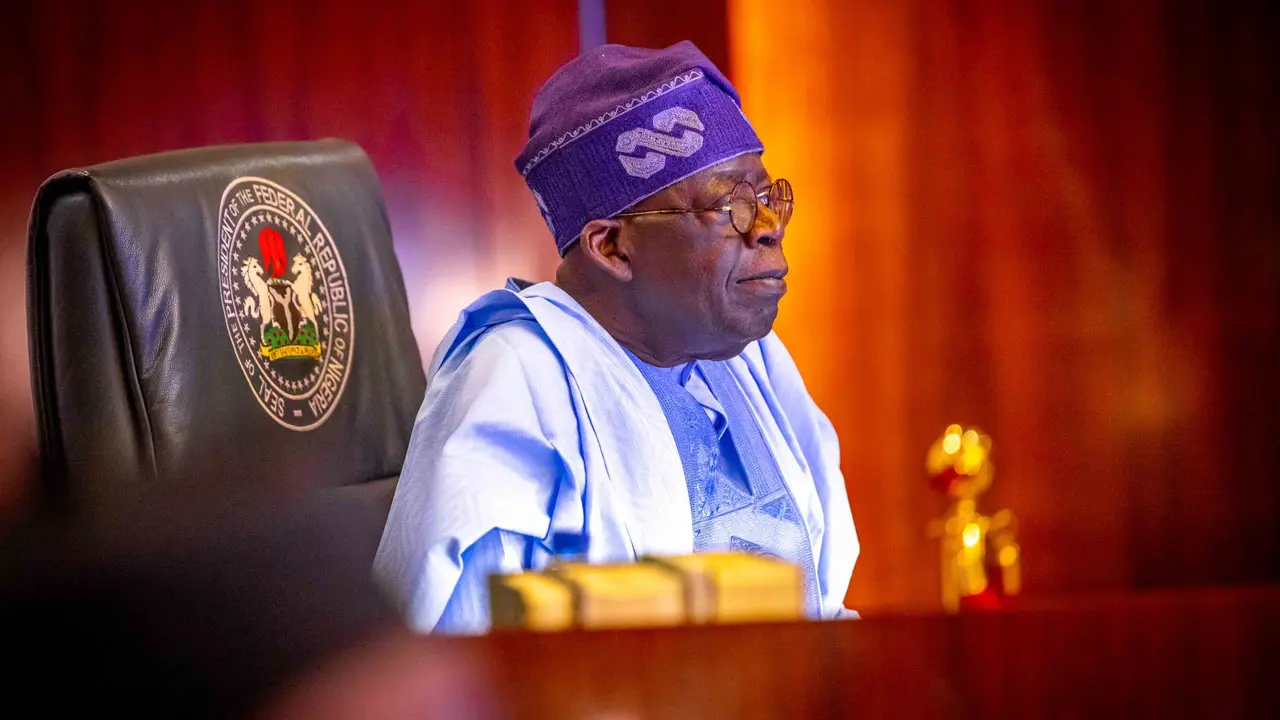
A policy and governance analyst based in Abuja, Rotimi Matthew, has issued an urgent public appeal to the President, warning that the newly confirmed 15 per cent import duty on petrol and diesel risks betraying public trust and imposing further severe punishment on Nigerian citizens.
Dependable NG reports that Matthew’s open letter highlights that after a difficult period of economic reforms, including subsidy removal and foreign exchange shocks, the introduction of the new tariff represents a “relapse” rather than a genuine reform. The policy analyst argues that the tariff, framed by a leaked State House memorandum as a “market-responsive import framework” to safeguard local refining, is merely “manipulation dressed as policy” that will ultimately protect a single powerful entity at the nation’s expense.
Matthew estimates that the 15 per cent tariff, applied to the Cost, Insurance, and Freight (CIF) value of imported fuel, will increase the landing cost of petrol by roughly N150 to N175 per litre. This rise, he warns, could cause the average pump price to surge toward N970 or more per litre, delivering a direct blow to every household and operator relying on fuel.
He specifically criticizes the argument that the tariff will protect local refineries, asserting that it protects only one—the Dangote Refinery. Despite the refinery’s recent reports of significantly increasing its daily output to surpass national demand, Matthew points to previous data suggesting the facility currently supplies only a fraction of the nation’s needs, meaning the balance must still be sourced from imports. He argues that taxing these necessary imports with a 15 per cent duty is not protectionism, but a mechanism to force marketers to rely on a single source, potentially creating a “new fuel cabal” that will dictate prices and access.
The analyst strongly warned that “monopolies do not stabilise; they suffocate,” linking the policy to patterns of industrial capture previously seen in the cement and sugar sectors. He stressed the profound human cost, noting that every fuel price increase ripples across the economy, increasing transport fares and food prices, and ultimately feeding the belief that the government exists to protect the powerful, not the people. Matthew appealed to the President’s conscience to reject this policy, proposing viable alternatives such as fostering genuine competition, enhancing transparency in refinery pricing, and implementing a gradual transition only when domestic supply fully surpasses import reliance.
Would you like me to find reactions to Rotimi Matthew’s opinion from government officials or other industry analysts?