Uncategorized
Niger Assembly Seeks Stakeholder Input on Bill to Regulate Scavenging

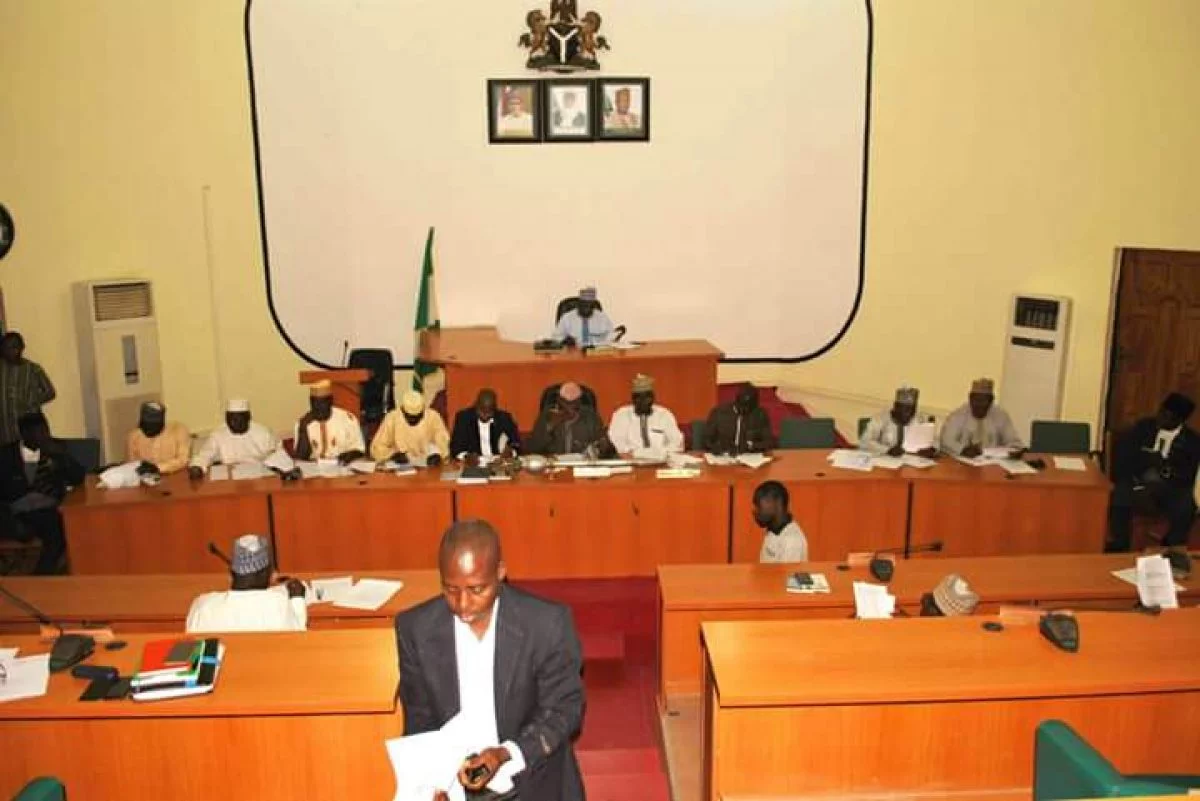
The Niger State House of Assembly is taking a significant step towards addressing a growing public concern by initiating a public hearing on a Private Member’s Bill aimed at regulating the activities of scavengers, old metal dealers, and “Panteka” businesses. The bill, a proactive legislative measure sponsored by Hon. Murtala Adamu Badaru, seeks to proscribe these activities within residential neighborhoods, a move that stakeholders believe is crucial for enhancing public safety, improving environmental health, and creating a more liveable environment for citizens. This legislative effort represents a balanced approach, seeking to curb the negative consequences of a vital informal sector without eliminating the economic benefits it provides.
The term “Panteka,” a local name for a scrap market or yard in Nigeria, describes a business model that is a key component of the country’s informal economy. These markets serve as essential hubs where scavengers and scrap dealers bring all sorts of discarded materials, from condemned machinery and vehicle parts to household appliances and metal scraps. At a Panteka, these items are sorted, refurbished, or sold to recycling companies, turning what many consider waste into wealth. The businesses provide livelihoods for countless individuals, particularly young people who have few other economic opportunities, and contribute significantly to the circular economy. However, as the legislative session has highlighted, their unregulated practices have also caused a series of serious challenges that can no longer be ignored by the government.
The Speaker of the Assembly, Abdulmalik Mohammed Sarkin-Daji, represented by Hon. Abubakar Suleiman Gomna, made a crucial call during the public hearing for comprehensive stakeholder input. He emphasized that while the businesses provide jobs and contribute to recycling, their unregulated nature has led to serious problems, including theft, insecurity, trespassing, environmental hazards, and public nuisance. This observation points to the core dilemma the bill seeks to solve: how to regulate a business that is both economically beneficial and a source of social problems. Unscrupulous individuals, sometimes posing as scavengers, have been linked to the theft of public infrastructure, such as manhole covers, streetlights, and iron railings from bridges, which are then sold to unsuspecting scrap dealers. These criminal acts endanger public safety and cause extensive damage to government property, with repair costs often running into millions of naira. The proposed law, therefore, is not an attack on the business itself but a targeted effort to sanitize the sector and sever its links with criminality.
The public hearing, which was organized by the Joint House Committee on Environment and Climate Change, and Judiciary and Legal Matters, brought together a diverse group of key stakeholders to discuss these critical issues. The chairman of the Joint Committees, Hon. Mohammed Nura Garba, who also serves as the Deputy Majority Leader and represents the Agwara constituency, underscored the importance of the gathering. He stated that the proposed law aims to create a safer, healthier, and more liveable environment for citizens by addressing the multifaceted challenges posed by these activities. The presence of stakeholders from various sectors, including the Niger State Police Commissioner, the Permanent Secretary of Environment and Climate Change, and representatives of the Association of Scrap Dealers, showed a broad consensus on the need for urgent legislative action. All parties in attendance commended the Assembly’s leadership for their proactive stance and pledged their support for the speedy passage of the bill into law, indicating a shared commitment to finding a lasting solution to the problem. The collaborative spirit on display suggests that the final bill will be a well-thought-out piece of legislation that takes into account the interests of all parties involved, including the informal workers who rely on the trade for their livelihoods.
The bill is expected to define specific zones for the operation of these businesses, moving them away from residential areas to dedicated industrial zones. It will also likely introduce a licensing and regulatory framework that will make it easier for law enforcement to monitor and track the flow of scrap materials, making it more difficult for stolen property to be sold. This will not only make communities safer but also help to legitimize the business, encouraging more formal participation in the recycling economy. For the scavengers and dealers, this means adapting to a new way of doing business, one that may require them to move their operations, but which ultimately offers them the benefit of being part of a regulated and more secure industry. The bill, in essence, seeks to strike a delicate balance between economic development and public welfare, a legislative challenge that the Niger State House of Assembly is determined to meet.