
NEWS
House Moves to Lower Age for Governors, Senators to Thirty

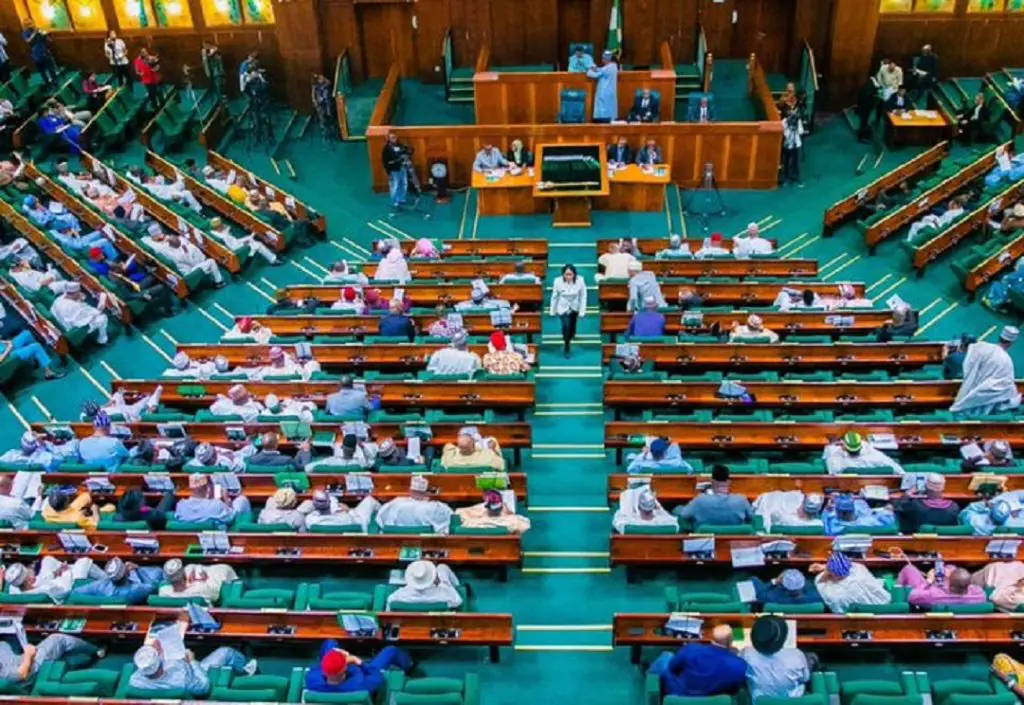
The push to create more inclusive pathways for young Nigerians seeking higher political office gained significant momentum today as a crucial bill proposing to amend the 1999 Constitution to reduce the minimum age requirement for contesting the offices of Governor and Senator successfully passed its second reading in the House of Representatives.
The legislation, formally titled ‘A Bill for an Act to Alter the Constitution of the Federal Republic of Nigeria, 1999 (as amended) to Reduce the Age for Qualification for Membership of the Senate and Office of the Governor and for Related Matters (HB. 2235)’, was spearheaded by Esin Martin Etim, the lawmaker representing the Mbo/Okobo/Oron/Udung Uko/Urue Federal Constituency of Akwa Ibom State, and co-sponsored by twenty-four of his colleagues. The core proposal seeks to drop the eligibility age for both top offices from the current 35 years to 30 years.
The current stipulations in the Nigerian Constitution maintain a clear hierarchy of age requirements: candidates for the Presidency and Governorship must be at least 35, Senate candidates must be at least 35, while those aspiring to the House of Representatives can contest from the age of 25. It is this ten-year gap between eligibility for the House of Representatives and the Senate or Governorship that the bill’s sponsor, Etim, targeted as a major impediment to the political progression of young legislators.
Etim forcefully argued that the current age threshold serves as an artificial barrier that severely limits opportunities for ambitious and experienced young lawmakers. He pointed out the specific anomaly where a young legislator, having successfully entered the House of Representatives at the age of 25 and completed two full four-year terms, would be 33 years old. Despite eight years of direct legislative and political experience, this individual would still be legally ineligible to contest for a seat in the Senate or the office of Governor, being forced to wait two additional years purely on the basis of age. According to Etim, this gap restricts the natural political evolution and upward mobility of proven young politicians, effectively sidelining them at the peak of their early careers.
The legislation proposes a strategic adjustment to bridge this divide. By reducing the required age for the Senate and Governorship to 30, the bill maintains a more logical and manageable five-year gap between eligibility for the House of Representatives and the higher political offices. This five-year period, Etim suggests, is a more appropriate and less restrictive period of waiting, allowing young politicians to mature their experience without being unduly locked out of higher aspirations. The intention is not merely to lower the age, but to create a smoother, more coherent progression path within the political system that recognizes the experience gained at the lower legislative levels.
The reception on the floor of the House indicated broad support for the initiative. The Speaker of the House, Tajudeen Abbas, put the bill forward for a voice vote without further debate, and the majority of lawmakers present clearly signaled their approval for its second reading. This swift passage suggests a shared legislative desire to address the issue of youth representation in key executive and legislative roles. Following the successful vote, Speaker Abbas referred the bill to the House Committee on Constitution Review for further detailed legislative scrutiny, deliberation, and potential public hearing input. This procedural step is critical, as any amendment to the Constitution requires meticulous review and ultimately, the assent of two-thirds of the State Houses of Assembly after passage by the National Assembly. The bill’s passage through the second reading marks a significant early victory for proponents of youth inclusion and sets the stage for what promises to be an intense period of lobbying and legislative engagement as the bill moves through the committee stage and onward to potentially redefine the political landscape for a new generation of leaders.