
BUSINESS
Marketers: Fuel Price Drop Is a Dangerous Illusion

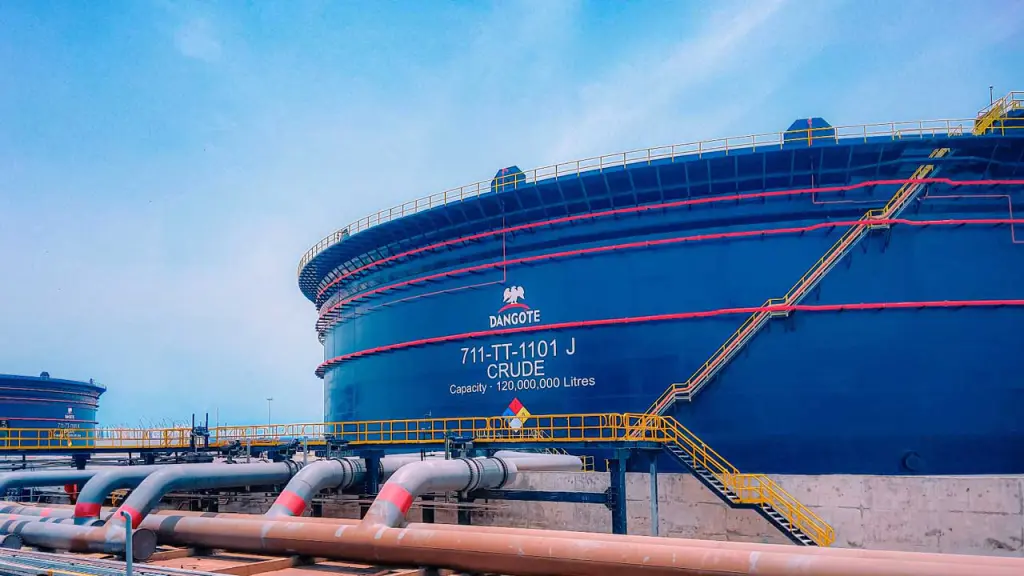
The recent reduction in petrol prices across Nigeria has been met with excitement by consumers but has triggered serious warnings from industry players. Major retailers and marketers caution that the cheaper fuel is an artificial development that masks deeper structural dangers within the nation’s downstream oil sector.
Just two weeks ago, petrol prices saw a noticeable decline, with Abuja and Lagos retail prices falling from around N910-N955 down to N885-N945 per litre. This momentary relief was attributed to two events: the Federal Government’s suspension of a planned 15 percent import duty and a price cut announced by the Dangote Refinery.
However, the market volatility quickly resurfaced, with the ex-depot price for Dangote Refinery and others rising again by Monday morning. Stakeholders across the board fear that the current lower prices are unsustainable and potentially harmful to the entire system.
Exclusive interviews with the Petroleum Products Retail Outlets Owners Association of Nigeria (PETROAN) and the Independent Petroleum Marketers Association of Nigeria (IPMAN) reveal profound concern. They argue that the price drop does not reflect genuine market forces or improved supply efficiency.
Instead, the pricing exposes the persistent structural weaknesses and imbalances plaguing Nigeria’s supposedly deregulated oil industry. PETROAN President Billy Gillis-Harry insisted that the current lower pump prices are “not in any way guided by fair market pricing.”
He stressed that the decrease reflects neither supply-demand dynamics nor the true cost realities of distributing petrol. Gillis-Harry warned that petrol prices are currently not determined by actual market fundamentals, meaning the market is being dangerously “distorted.”
He cautioned that this distortion will inevitably lead to consequences, predicting that many marketers will soon lack the capital needed to purchase products. Once this occurs, supply shortages could re-emerge, potentially triggering another painful round of scarcity and price hikes.
Gillis-Harry advocated for “right sizing, right pricing, fair pricing, and honest value,” urging that petrol must be priced according to real market conditions, not “artificial adjustments that look good on the surface but are damaging beneath.”
He added that the entire market is currently “walking towards price volatility guided by Dangote,” underscoring the unhealthy dependency on one dominant domestic refinery, a situation that undermines genuine competition and stability.
For IPMAN’s spokesperson, Chinedu Ukadike, the controversy highlights Nigeria’s failure to achieve true deregulation. He noted that while the Petroleum Industry Act (PIA) deregulated the market on paper, “in reality, deregulation cannot function.”
He explained that competition—the lifeblood of a deregulated market—is absent when only one major domestic refinery, the Dangote Refinery, is operational, while all government-owned facilities remain grounded.
Ukadike argued that if state-run and modular refineries were functional, the current price volatility and the vulnerability of marketers would not exist. Multiple sources of supply, he stressed, would generate real competitive pricing.
The unified position of the marketers suggests Nigeria is experiencing a “false equilibrium”—a temporary price stability that is not anchored in market fundamentals. This illusion, they warn, will likely collapse once genuine cost pressures or supply bottlenecks reassert themselves.
The core dangers are clear: single-refinery control leads to price instability; marketers face capital struggles; artificially low prices threaten long-term availability; and true deregulation is impossible without multiple, competing refineries.
The Nigerian petrol market is currently in a vacuum, legally deregulated yet functionally dependent on only two sources: Dangote Refinery or imports. While cheaper prices offer short-term relief, industry players argue the country must choose between the illusion of low prices today and the sustainability of petrol availability tomorrow.
Until Nigeria actively diversifies its refining capacity, restores its public refineries, and strengthens market competition, the recurrent debate over petrol pricing will remain an inescapable national dilemma.