
Politics
Niger Delta Wealth: A Paradox of Abundance and Poverty

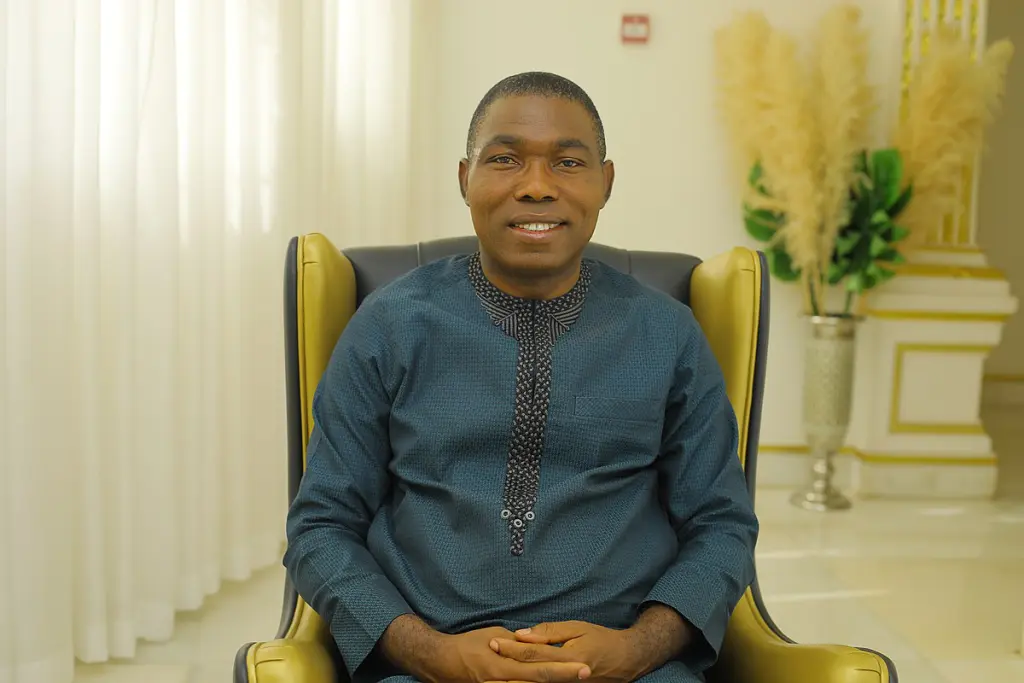
The vast economic potential of the Niger Delta region was the central focus of a high-profile gathering in Abuja on Friday, where former presidential candidate of the Social Democratic Party (SDP), Prince Adewole Adebayo, delivered a poignant challenge to the nation: No indigene of the Niger Delta should be living in poverty, given the region’s extraordinary abundance of natural and human resources.
Adebayo made the remark during the public presentation of “Hidden Treasures: An Exposition on the Rich Resources and Opportunities of the Niger Delta,” a new book authored by Chris Iyovwaye, Chairman of the Wellmann Group of Companies. The book and the ensuing conversation highlighted the long-standing paradox of the region being Nigeria’s wealthiest area in terms of resources, yet simultaneously one of its most underdeveloped and impoverished.
Adebayo described the Niger Delta as one of Nigeria’s richest yet most underutilized regions, arguing that decades of leadership shortcomings have prevented it from reaching its full, magnificent potential. He stressed that unlocking the region’s prosperity requires deliberate effort, noting that “every treasure requires digging”—a metaphorical call for intensive and responsible exploitation beyond the surface level of crude oil. The former presidential aspirant went further, asserting that the Niger Delta holds sufficient wealth to not only drive national development but potentially surpass the economic capacities of several developed nations, emphasizing that its wealth is 18 times the total productivity of the United States since 1776.
He outlined three critical drivers necessary for harnessing the region’s diverse opportunities: individual initiative, community involvement, and government intervention, arguing that a synchronized effort across these sectors is vital. He specifically warned against leadership focused on shallow management of national assets, rent-seeking, or ceding control to foreign interests, concluding that the people—intelligent, compassionate, and culturally rich—remain the region’s most valuable resource.
The event’s chairman, retired Maj.-Gen. Ike Nwachukwu, offered a perspective on national integration, insisting that Nigeria should not be fearful of restructuring, as every region possesses the necessary resources to support sustainable development. He urged citizens to continue supporting the Armed Forces in their efforts to maintain peace and security across the country.
Representing human rights lawyer Prof. Mike Ozekhome, Prof. Ezekiel Abalagba, Vice-Chancellor of the Federal University of Petroleum Resources, Effurun, described the book as an “economic gold mine” and a practical roadmap for revitalizing key sectors. He called for transparent leadership, improved infrastructure, and robust economic diversification beyond crude oil into key areas like agriculture, fisheries, manufacturing, petrochemicals, technology, and environmental restoration.
Former President Goodluck Jonathan, represented by his Chief of Staff, Dr. Mike Ogiadome, reaffirmed the Niger Delta’s vital role as Nigeria’s economic engine. He underscored the need for long-term, structured investment, specifically recommending the establishment of a deep-sea port to attract global investors. Jonathan lamented that past political rivalry and the scramble for power had repeatedly stalled progress, calling for practical, coordinated action from the region’s governors. He recommended the book as a vital resource for policymakers, industrialists, and development partners.
Author Chris Iyovwaye explained that his book was intended to correct long-standing misconceptions by providing clear, fact-based insights into the region’s immense wealth, the challenges of underdevelopment, and practical pathways to sustainable progress driven by the ingenuity of its people.