Sports
Osimhen Injury Proves Costly in Super Eagles’ World Cup Exit

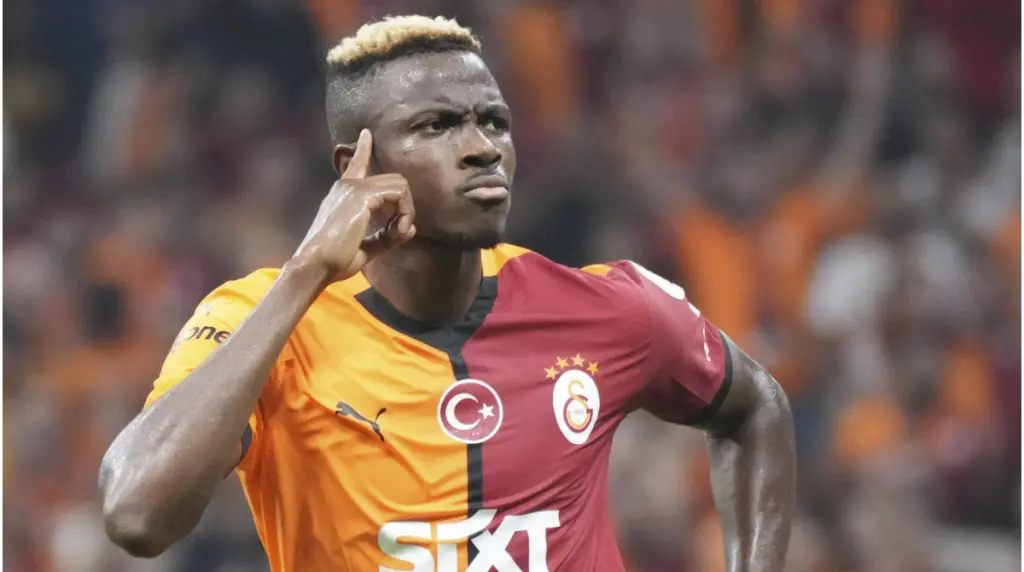
The hopes of the Super Eagles of Nigeria securing a place in the 2026 World Cup were critically undermined by the loss of their primary goal threat, Victor Osimhen, who was removed at halftime from the decisive qualifier against DR Congo due to a hamstring injury. The unexpected exit of the talismanic striker in the pivotal match—which Nigeria ultimately lost 4-3 on penalties—is now being viewed as the turning point that contributed to the team’s failure to qualify for the World Cup for the second consecutive cycle.
The substitution, which saw Osimhen replaced by Sevilla striker Akor Adams for the second half, left supporters and commentators stunned, as the star forward had been the crucial “engine room” of the Super Eagles’ campaign. His importance was clear in the preceding fixtures, where he had netted five goals in the last two games, demonstrating the extent of his influence. The moment he failed to reappear after the break, the momentum of the game shifted visibly. The DR Congo Leopards seized control of the encounter, dominating proceedings and capitalizing on the disruption caused by Osimhen’s absence, eventually eliminating Eric Chelle’s side from the tournament.
Super Eagles insider and veteran journalist Colin Udoh provided clarity on the situation, revealing the medical reason behind the unexpected withdrawal. Speaking to ESPN, Udoh confirmed the injury: “He was taken off at halftime. I got a call into the team and I found out that he had a hamstring problem and that’s why he was taken off at halftime.” This revelation confirmed fears that the substitution was enforced due to injury rather than tactical choice, underscoring the severity of the loss at such a critical juncture.
Udoh further elaborated on the psychological impact Osimhen’s absence had on the team, highlighting the striker’s irreplaceable value. He pointed out the team’s historical dependence on their star: “Whenever Osimhen has played and scored or assisted, Nigeria have never lost a game.” The journalist’s personal apprehension upon seeing the switch underscored the gravity of the change: “The moment he went off at halftime, I just knew something was about to happen. But yeah, that’s the situation unfortunately.” The outcome validates the observation, as the Super Eagles struggled to find the necessary attacking impetus and control in the second half without their key figure leading the line.
With the disappointment of the World Cup qualification failure now a reality, the Nigerian national team must immediately pivot its attention and resources towards the preparations for the 2025 Africa Cup of Nations, scheduled to commence in December. The priority for the medical team and the technical crew will now be securing a swift and full recovery for Osimhen, whose health and availability are paramount to any success the Super Eagles hope to achieve in the upcoming continental tournament. The injury not only cost the team a World Cup slot but now casts a shadow over their AFCON readiness.