BUSINESS
Naira Retreats Officially Despite Rising External Reserves

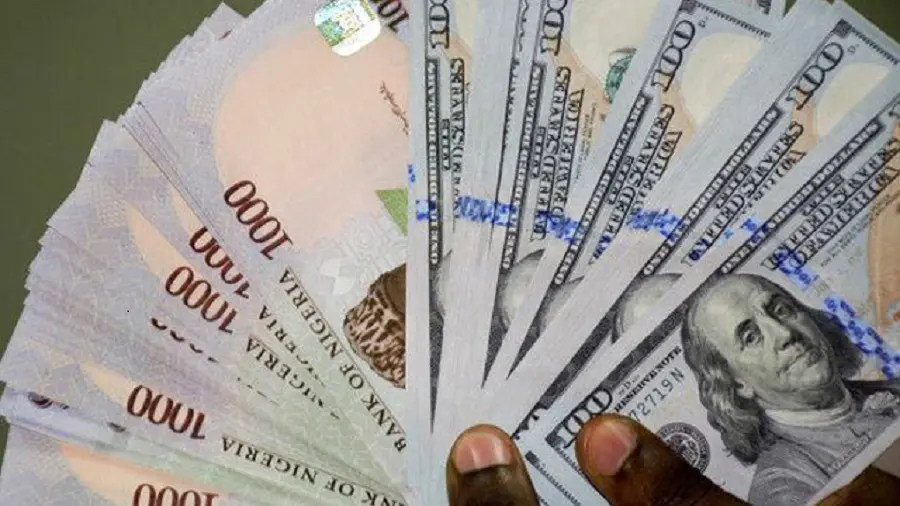
The Nigerian Naira concluded the trading week on a negative trajectory in the official foreign exchange market, reversing recent gains to close lower against the United States dollar on Friday. This depreciation marks a return to volatility despite the Central Bank of Nigeria’s (CBN) concerted efforts to stabilize the currency and a notable increase in the nation’s external reserves.
Data released by the Central Bank of Nigeria confirmed the downturn, showing that the Naira closed Friday’s session at ₦1,442.43 to the dollar in the Nigerian Foreign Exchange Market (NFEM). This figure represents a slight but definite weakening from the ₦1,441.44 recorded on the preceding day. The daily loss amounted to ₦0.99, contributing to a broader weekly retreat for the local currency. Over the course of the week under review, the Naira ceded ground four times in the official market, resulting in a cumulative loss of ₦5.86 against the dollar, according to the apex bank’s records.
In contrast to the movement in the official window, the parallel or black market exhibited a degree of stability. The Naira held flat against the dollar, trading at ₦1,465 on Friday, maintaining the same rate observed on Thursday. This consistency suggests that while official market participants are grappling with supply and demand pressures, the retail end of the foreign exchange market is experiencing sustained equilibrium, maintaining a premium of over ₦20 per dollar compared to the official rate.
The depreciation in the official window comes despite a sustained and positive trend in Nigeria’s foreign exchange reserves. CBN data indicates that the country’s external reserves continued their upward climb, reaching $43.54 billion as of Thursday’s close. This figure represents an increase from the $43.35 billion recorded at the end of the previous week. Economists note that the conventional expectation is for rising reserves—which bolster the CBN’s capacity to intervene—to strengthen the currency. The simultaneous depreciation suggests that underlying market forces, such as persistent import demand, delayed foreign portfolio investment inflows, or outstanding obligations, may be exerting greater pressure on the daily exchange rate than the reserve accretion can immediately counteract.
The slight but consistent weekly decline emphasizes the challenges in achieving sustained stability in the currency market. Analysts are now closely watching the CBN’s next monetary policy moves and its utilization of the increased reserve capacity to determine if the trend toward depreciation will persist into the following week or if the Naira can recapture its recent stability. The market remains sensitive to any policy changes and fluctuations in global oil prices, which remain the primary source of Nigeria’s foreign currency earnings.