Entertainment
BBNaija’s Tacha Laments Nigerian Society, Claims ‘Being a Woman Feels Like a Crime’

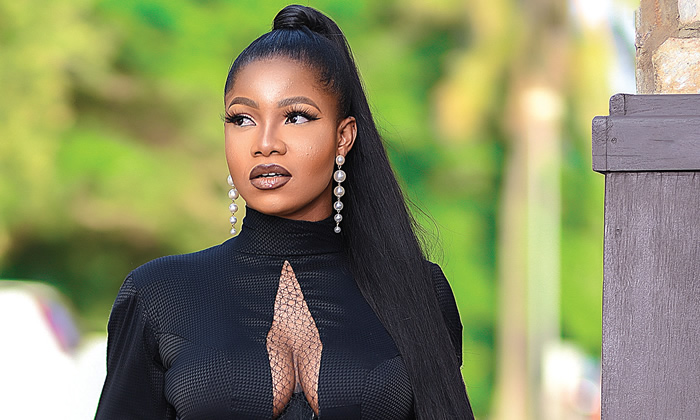
Former Big Brother Naija reality television star, Natasha Akide, popularly known as Tacha, has strongly criticized the Nigerian public’s reaction to alleged sexual assault claims by actress Regina Daniels, lamenting that being a woman in the country “feels like a crime.” Tacha made the powerful statement while expressing outrage over the societal response that seemed to focus on discrediting the victim rather than demanding justice.
Dependable NG reports that Tacha’s comments came after Regina Daniels reportedly made serious allegations of being raped, drugged, and beaten, which have generated a massive and polarized reaction across social media platforms. Tacha expressed deep disappointment that, instead of demanding justice for the actress, a significant portion of the Nigerian public was engaging in victim-blaming and bashing.
Taking to her X (formerly Twitter) handle, Tacha wrote: “Being a woman in this part of the world feels like a crime.” She highlighted the cruel irony of the public’s reaction, stating: “Someone cries out that she been raped, drugged, and beaten, and instead of outrage, society starts dragging her for flying private jets and traveling the world.” She questioned the perverse logic used by critics, asking: “So because she lived well, she deserves to be abused? That’s the sickness of this society a place where people justify violence against women but envy their freedom.” Tacha concluded her emotional post by stressing the bleak outlook for young girls, questioning: “At this point, what hope does the girl child even have? #ProtectWomen #Justiceforreginadaniels.”
Another former Big Brother Naija winner, Phyna, also reacted to the gravity of Regina Daniels’ allegations. Phyna echoed Tacha’s sentiment regarding the difficult reality faced by women in Nigeria, stating: “A girl gets injected and raped in a man’s house, steady hospital yet everybody is laughing. Omo…Being a woman is hard.” The combined statements from the reality stars underscore a growing frustration with the perceived pervasive culture of victim-blaming and the lack of systemic support for women who come forward with claims of sexual and domestic violence in Nigeria.