NEWS
Nigeria Lost Estimated $300 Billion to Crude Oil Theft Since 2015, Senate Report Reveals

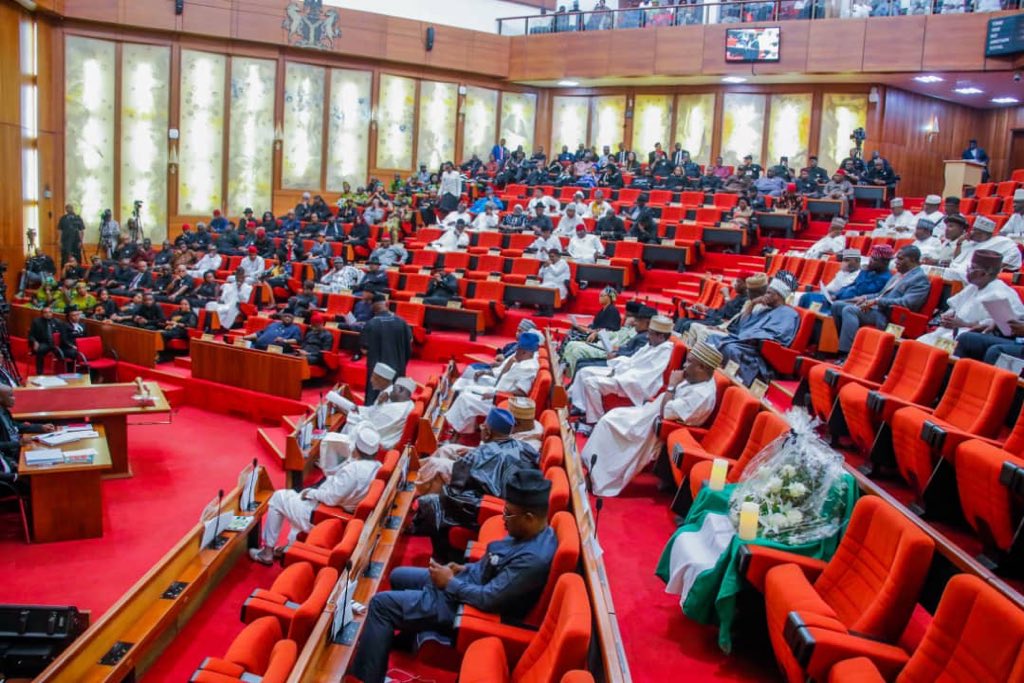
The Nigerian Senate, through its Ad Hoc Committee on Crude Oil Theft, has disclosed that the country suffered an estimated revenue loss of $300 billion from its natural resources between 2015 and the present day due to rampant crude oil theft and systemic irregularities in the oil and gas sector.
Dependable NG reports that the interim findings were presented on Wednesday by the committee chairman, Senator Ned Nwoko (APC, Delta North). The report, compiled after investigating repeated sabotage of oil installations in the Niger Delta, identified systemic irregularities, poor measurement standards, and weak enforcement as the primary factors resulting in vast unaccounted crude oil sales. The committee, after extensive assessment, recommended that the Nigerian Upstream Petroleum Regulatory Commission (NUPRC) should strictly enforce internationally accepted crude oil measurement standards at all production sites and export terminals.
The report also urged the Federal Government to equip security agencies with modern surveillance technology, suggesting the use of unmanned aerial vehicles (UAVs) to combat oil theft, and recommended the establishment of a Maritime Trust Fund to enhance maritime infrastructure and safety. Other measures proposed include the establishment of special courts to prosecute crude oil thieves and the full implementation of the Host Communities Development Trust Fund under the Petroleum Industry Act (PIA). The committee also called for the restoration and empowerment of the Weights and Measures Department of the Federal Ministry of Industry, Trade and Investment to acquire and use state-of-the-art measuring equipment at all production sites and export terminals. The report noted that this would promote and strengthen accurate measurement, transparency, and accountability in the oil and gas industry.
A recommendation that the committee be empowered to “track, trace, and recover” all stolen crude oil and its proceeds immediately sparked debate among the lawmakers. Senator Abdul Ningi (PDP, Bauchi Central) commended the report but cautioned that the Senate’s mandate should not include the direct recovery of stolen funds, which he argued should be referred to agencies like the EFCC or ICPC. Senator Ningi noted that consultant reports cited in the document showed a shortfall of $81 billion between 2016 and 2017, in addition to $200 billion in unaccounted proceeds since 2015.
Senate President Godswill Akpabio aligned with colleagues, stating that the Senate’s duty is to track and trace, while the recovery process belongs to the relevant executive government agencies. Akpabio described the estimated $300 billion in crude oil losses as “staggering,” underscoring the necessity for urgent reforms. The Red Chamber ultimately adopted the interim report and directed the ad hoc committee to continue its investigation and submit a final, more comprehensive report that identifies all “actors” involved, including specific companies, wells, and rigs affected.