NEWS
Itega Ekpudu Community Builds First Secondary School

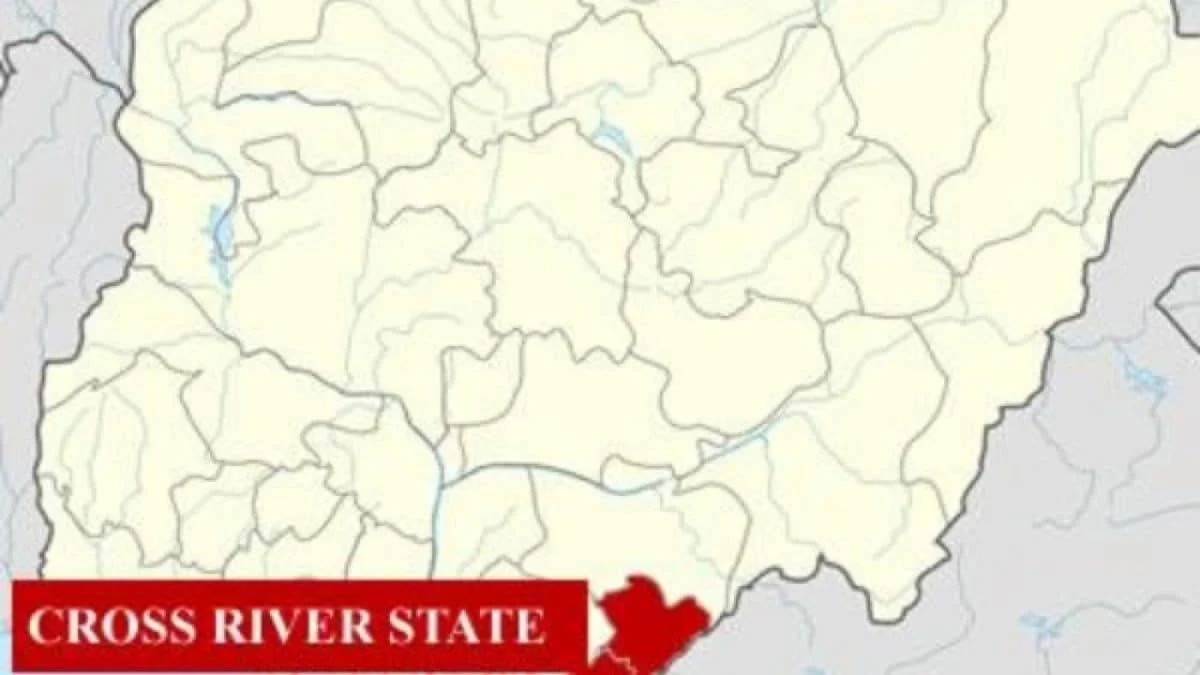
For the first time in over 70 years, the children of Itega Ekpudu community in Okpoma, Yala Local Government Area of Cross River State, can now pursue their secondary education without the burden of trekking several kilometers to neighboring towns. Through a remarkable display of communal effort and self-reliance, the community has successfully established its first-ever secondary school, a feat that marks a significant milestone in its history and offers a renewed sense of hope for the younger generation. The project, driven by the collective will of chiefs, elders, women, youths, and indigenes residing in urban areas, stands as a powerful testament to the capacity of local communities to address their own developmental challenges.
According to the community spokesman, Dr. Raphael Oko, classes at the new school commenced on Monday, September 15, 2025, with an impressive initial enrollment of 144 students. Dr. Oko, a prominent figure in education and peace-building, explained that the school is currently operating from the unused structures of the community’s existing primary school, which have been creatively converted to accommodate students for Junior Secondary School 1 to 3. The community took this bold step after decades of hardship where children were forced to endure long and often perilous journeys to attend school in other communities. “For more than 70 years, our children walked long distances every day to attend schools in other communities,” Oko said. “This was a huge burden for parents and the entire community. Early this year, we resolved to put an end to this ugly history by establishing our own secondary school.” The establishment of the school is a direct response to the glaring gaps in educational access that have long plagued rural communities across Nigeria.
Dependable NG confirms that the story of Itega Ekpudu is not an isolated one, as communities and parents’ associations across Nigeria often resort to self-help initiatives to provide essential educational services where government presence is inadequate. Rural areas are frequently characterized by a lack of basic infrastructure, a shortage of qualified teachers, and insufficient funding, all of which contribute to high dropout rates and low school enrollment. For a community to come together and build its own school is a powerful statement of its commitment to education and a rejection of the status quo. The new school is currently being managed by volunteer teachers, most of whom are indigenes of the community who have committed to shaping the future of the next generation. Dr. Oko disclosed that the school has been duly registered with the Cross River State Ministry of Education and the schools proprietors association, an important step that gives the institution official recognition and legitimacy.
While the community has celebrated this significant achievement, it is also keenly aware of the need for sustainability. Dr. Oko has issued an urgent appeal for support from the government, groups, and kind-hearted individuals to provide essential facilities that will strengthen the new school. The community is in dire need of furniture, fully equipped laboratories, and funding to ensure that the volunteer teachers receive a salary and that the school can maintain its operational costs. The successful establishment of this secondary school is a crucial first step towards improving the human development index of the community. Having a school within the community will reduce the financial and physical burden on parents, encourage higher enrollment, and provide a safe and conducive learning environment for the children. This remarkable communal effort, however, must be met with a decisive response from the government. The onus is now on the Cross River State government to follow up on its registration and provide the necessary support to ensure that the community’s inspiring initiative does not falter. The success of the Itega Ekpudu secondary school will not only transform the lives of its students but will also serve as a blueprint for other rural communities seeking to take charge of their own destiny.